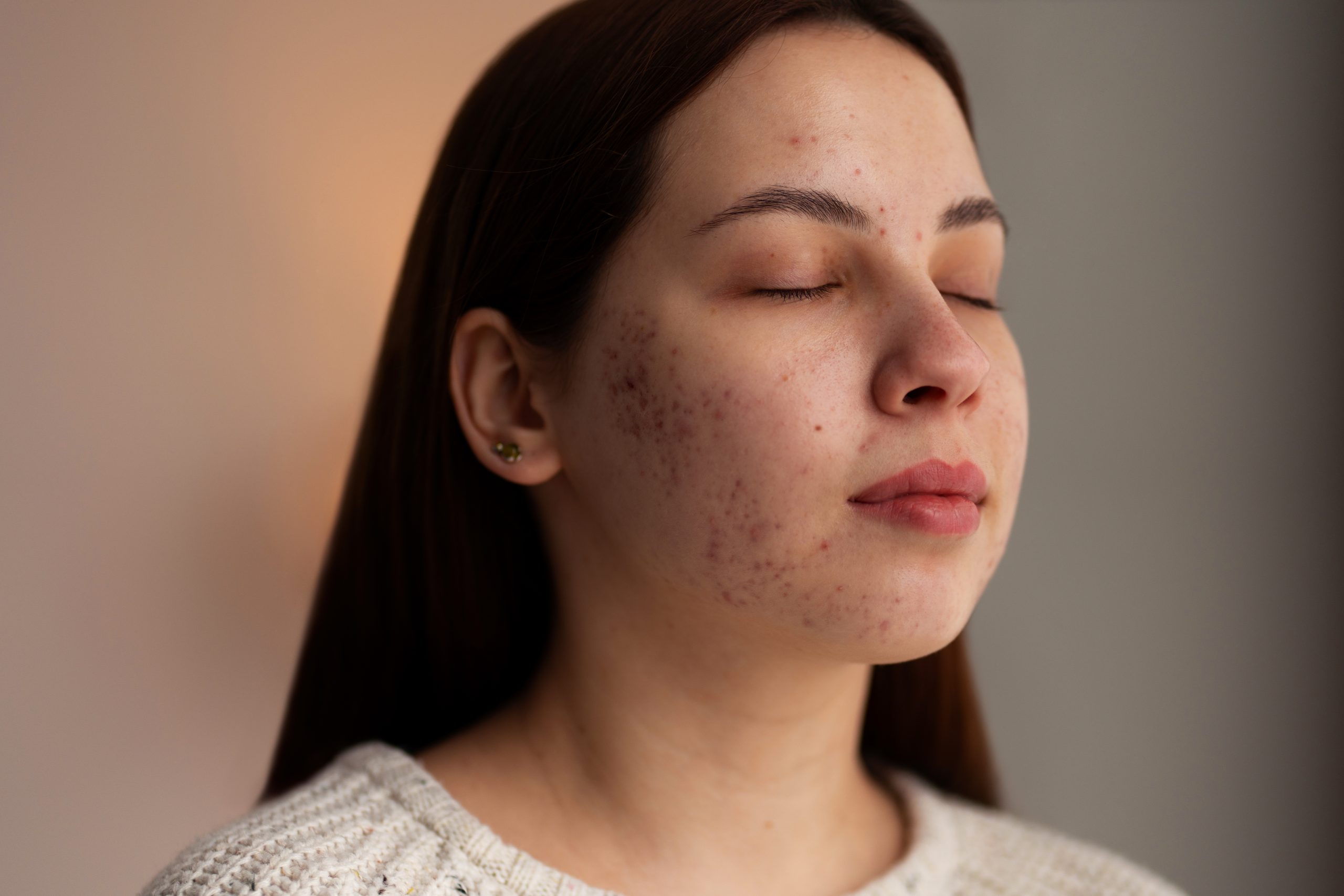
Acne scars can be one of the most persistent skin concerns, often affecting texture, tone, and overall skin confidence long after active breakouts have resolved. Two commonly discussed laser options for acne scar improvement are Fotona laser and CO2 fractional laser resurfacing. Both aim to improve skin texture and stimulate collagen remodeling, but they work in different ways and vary in intensity, downtime, and suitability. At Derma Laser Medspa, Fotona is used as a customizable resurfacing option, especially for patients seeking gradual improvement with controlled recovery.
Fotona laser treatments use a combination of wavelengths that target both the surface and deeper layers of the skin. For acne scars, Fotona works by stimulating collagen production beneath the scarred tissue while gently resurfacing the outer skin layer.
The controlled laser energy creates micro-injuries in targeted areas, triggering the skin’s natural healing response. As collagen rebuilds, depressed scars begin to soften, and overall skin texture becomes more even.
Fotona is particularly effective for mild to moderate acne scarring and is often used in a staged approach, allowing gradual improvement over multiple sessions.
CO2 fractional laser is a more aggressive resurfacing treatment that uses carbon dioxide laser energy to remove layers of damaged skin. It creates controlled thermal injury zones that stimulate deep collagen remodeling while physically ablating parts of the skin surface.
This approach can significantly improve deeper acne scars by resurfacing the skin more intensively. However, because it removes more tissue, it typically involves a longer healing period and more noticeable post-treatment recovery effects such as redness, swelling, and peeling.
CO2 laser is often chosen for more severe scarring where stronger resurfacing is required.
The main difference between Fotona and CO2 laser lies in intensity and depth of skin impact.
Fotona uses adjustable, multi-mode energy delivery that can be customized for lighter or moderate resurfacing. It focuses on stimulating collagen and improving texture gradually without extensive surface damage.
CO2 laser, on the other hand, is more ablative. It removes layers of skin to force a stronger regenerative response, making it more intensive but also more invasive.
This difference plays a major role in recovery time, comfort, and suitability for different skin types.
Both treatments can improve acne scars, but the results depend on scar type and severity.
Fotona is most effective for:
It works best when multiple sessions are used to gradually build collagen and smooth the skin surface.
CO2 laser is typically more effective for:
Because it removes damaged layers more aggressively, CO2 can deliver more dramatic single-session improvements, especially in severe cases.
At Derma Laser Medspa, treatment selection is often based on scar depth, skin sensitivity, and downtime preference.
Recovery time is one of the biggest differences between Fotona and CO2 laser treatments.
Fotona laser generally involves minimal downtime. Patients may experience mild redness or warmth after treatment, but most can return to normal activities quickly. The healing process is gradual and subtle.
CO2 laser requires significantly more downtime. The skin typically undergoes redness, peeling, and sensitivity for several days to weeks depending on intensity. Full healing and collagen remodeling continue over a longer period.
For individuals with busy lifestyles or those preferring a low-recovery approach, Fotona is often more practical.
Skin type also plays an important role in choosing between these treatments.
Fotona is considered more versatile across different skin tones because it allows controlled energy adjustment and less aggressive surface disruption. This reduces the risk of post-inflammatory pigmentation when properly performed.
CO2 laser can also be effective but may require more cautious settings in darker skin tones due to a higher risk of pigmentation changes and prolonged healing.
Fotona treatments are generally described as more comfortable, with a warming sensation during the procedure. No major anesthesia is typically required.
CO2 laser treatments can feel more intense due to deeper tissue ablation. Depending on the protocol, numbing agents or anesthesia may be used to improve comfort.
The difference in sensation reflects the difference in energy intensity between the two technologies.
Neither laser is universally “better” in all cases. The choice depends on scar severity, skin type, and desired downtime.
Fotona offers a gentler, more gradual approach that focuses on collagen stimulation and skin refinement over time. It is ideal for patients seeking improvement without significant recovery periods.
CO2 laser provides more aggressive resurfacing and may deliver stronger results for deeper scars but requires longer downtime and a more intensive healing process.
At Derma Laser Medspa, Fotona is often recommended for patients who want a balanced approach to acne scar improvement with controlled recovery and progressive results.
Fotona and CO2 lasers both play important roles in acne scar treatment, but they differ significantly in intensity, recovery, and treatment approach. Fotona focuses on gradual collagen stimulation with minimal downtime, making it suitable for mild to moderate scarring and sensitive skin types. CO2 laser offers deeper resurfacing and more dramatic correction for severe scars but involves a longer healing period. At Derma Laser Medspa, Fotona is positioned as a modern, versatile option for patients seeking natural-looking improvement in skin texture with a more comfortable recovery experience.

About the Author
Amit Sharma
June 5, 2026