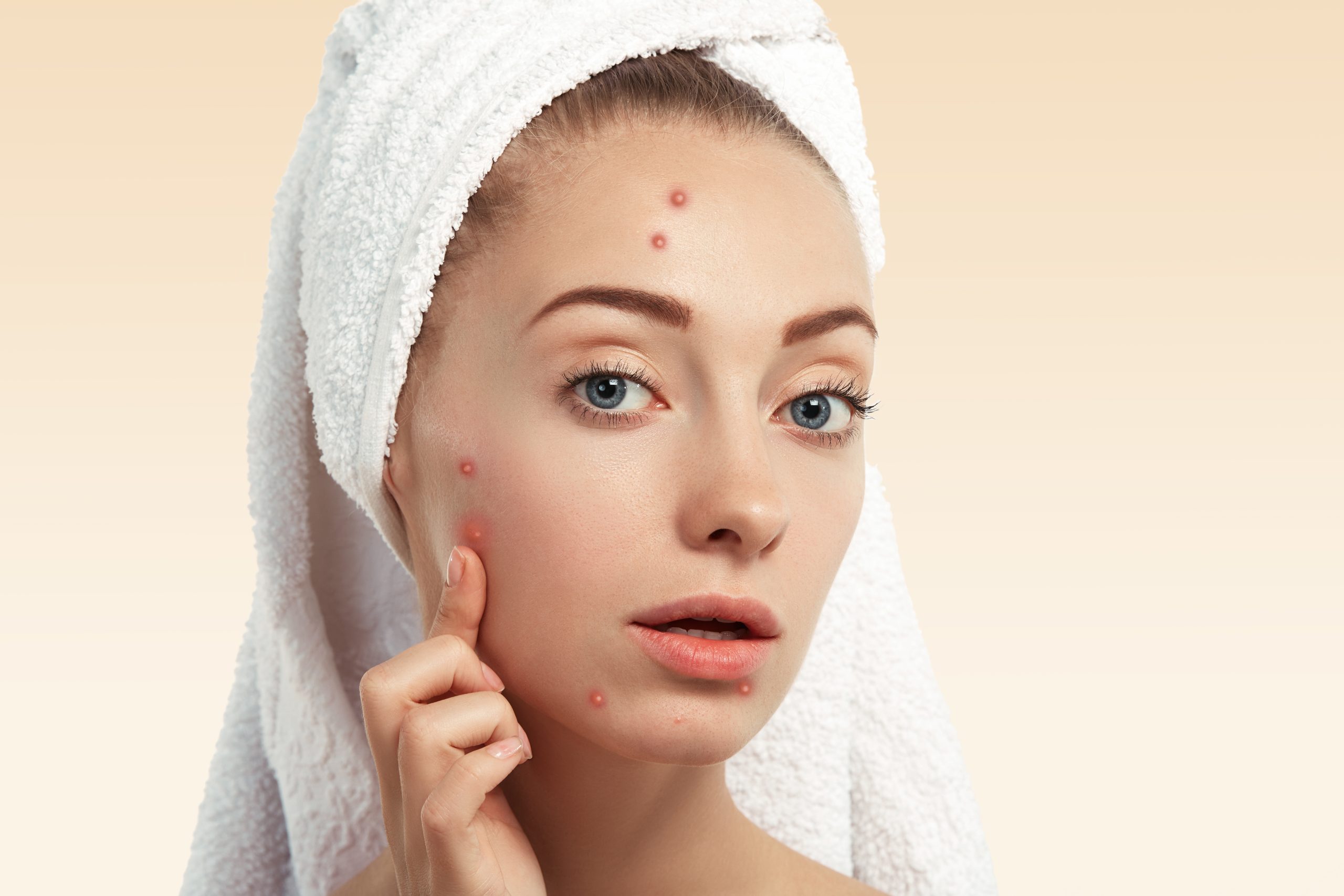
Fotona laser is a non-surgical skin resurfacing and collagen-stimulating treatment that can significantly improve the appearance of acne scars. However, when it comes to deep acne scars, the results depend on scar type, depth, and how the skin responds to collagen remodeling over time. At Derma Laser Medspa, Fotona is used as a controlled resurfacing solution designed to soften scars, improve texture, and stimulate long-term skin repair rather than instantly “erase” deep scarring.
Fotona laser technology works by delivering precise energy into both the surface and deeper layers of the skin. This dual action is important for acne scars because most scarring involves structural damage beneath the surface.
The laser creates controlled micro-injuries in targeted areas, which activates the body’s natural healing response. Fibroblasts are stimulated to produce new collagen and elastin, which gradually fills in depressed scars and improves overall skin structure.
Unlike treatments that only exfoliate the surface, Fotona focuses on rebuilding the skin from within, which is essential for long-term scar improvement.
Deep acne scars, such as boxcar and icepick scars, involve significant loss of collagen in the dermal layer. These scars are more challenging to treat because they are not just surface irregularities but structural indentations in the skin.
Because of this depth, no laser treatment can instantly remove them in a single session. Instead, improvement happens gradually through repeated stimulation of collagen production and tissue remodeling.
Fotona can improve these scars, but the degree of correction depends on how deep and fibrotic the scar tissue is.
Fotona laser is effective in improving the appearance of deep acne scars, but it is important to understand its limitations and strengths.
It can:
Over time, these changes make scars less noticeable, even if they are not completely eliminated.
Deep acne scars require a cumulative treatment approach. One session may stimulate collagen activity, but repeated sessions are needed to build enough structural improvement in the dermis.
Each Fotona session triggers a healing response that continues for weeks. As new collagen forms, the skin gradually becomes thicker and more even. With multiple treatments, the depth of scars can become less pronounced.
At Derma Laser Medspa, treatment plans are typically customized based on scar severity, with deeper scars requiring a longer series of sessions for optimal results.
While Fotona is effective for many acne scar types, deeper scars may sometimes respond more dramatically to more aggressive resurfacing techniques like CO2 laser. However, Fotona offers a more controlled and gradual approach with less downtime and lower risk of irritation.
Fotona is often preferred for patients who want improvement without extended healing periods or harsh skin disruption. It is also suitable for combining with other treatments for enhanced results.
Improvement in deep acne scars with Fotona does not happen immediately. The skin requires time to rebuild collagen and reorganize tissue structure.
Most patients begin to notice gradual improvement after a few sessions, with continued enhancement over several months. The skin becomes smoother, more even, and less textured as collagen density increases.
Consistency and patience are key factors in achieving noticeable scar reduction.
While Fotona can significantly improve deep acne scars, it may not completely remove very deep or sharply defined scars on its own. In such cases, combination treatments may be considered to enhance results.
This can include pairing laser resurfacing with other collagen-stimulating procedures to address both surface texture and deeper structural defects.
Fotona laser cannot instantly remove deep acne scars, but it can significantly improve their appearance by stimulating collagen production and gradually rebuilding skin structure. Over multiple sessions, scars become softer, less visible, and more blended with surrounding skin. At Derma Laser Medspa, Fotona is positioned as a reliable, non-surgical option for acne scar improvement, especially for patients seeking gradual, natural-looking results with controlled downtime and long-term skin enhancement.

About the Author
Amit Sharma
June 6, 2026