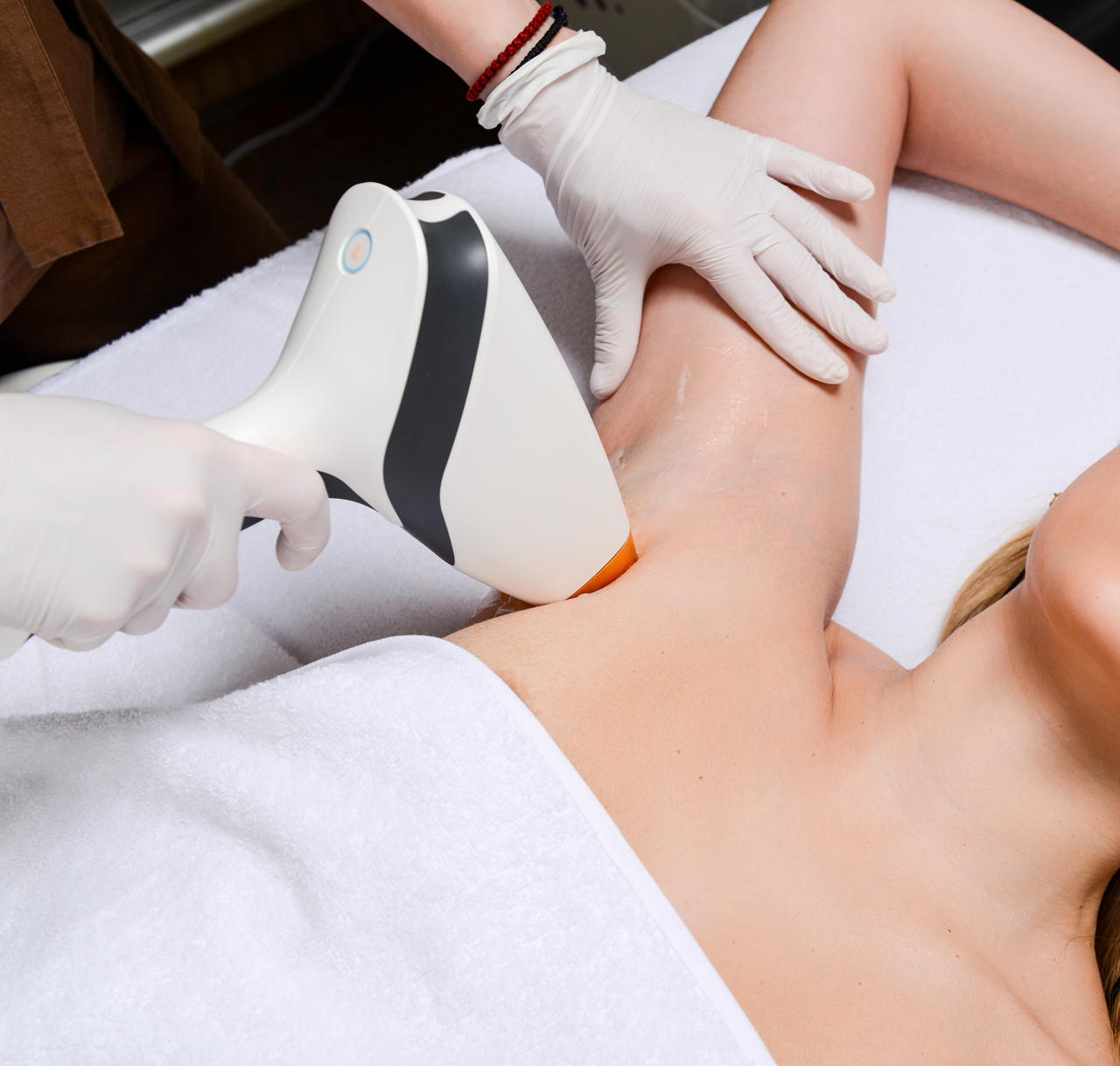
Laser hair removal sounds simple enough — a few sessions, and you’re done with razors forever. But many people walk into their first appointment without knowing what to expect, and that’s when things can go sideways.
The good news? Preparing for laser hair removal isn’t complicated. Shave the area 24-48 hours before your session, avoid sun exposure and certain skincare products in the weeks leading up to it, and arrive with clean, product-free skin. Follow those steps, and you’re setting yourself up for the best possible results. Here’s exactly how to do all of it, and why each step matters.
Laser hair removal works by targeting the pigment (melanin) in your hair follicles. The laser sends energy into the follicle, damaging it enough to slow or stop future hair growth. When your skin is properly prepped, the laser can do its job cleanly and effectively. When it’s not, the treatment can be less effective, more uncomfortable, or, in rare cases, cause skin irritation.
Think of prep work as doing your part so the technology can do its part. It’s a team effort.
This is the phase most people overlook, and it’s arguably the most important.
Stop waxing, plucking, and threading. These methods remove the hair root, which is exactly what the laser targets. If there’s no root, the laser has nothing to work with. Shaving is fine and encouraged because it leaves the follicle intact beneath the skin.
Avoid prolonged sun exposure. Tanned skin – whether from the sun or a tanning bed – increases the risk of side effects like hyperpigmentation and uneven results. Melanin in tanned skin can absorb the laser energy intended for your hair follicles, reducing its effectiveness and increasing the risk of irritation. If you’re planning a beach vacation, schedule it after your treatments, not before.
Stop using self-tanners and bronzers. Artificial color counts the same as a real tan in the laser’s “eyes.” Give your skin at least four weeks to fully shed any self-tanner.
Check your medications. Some medications make the skin more photosensitive, including certain antibiotics (such as doxycycline), retinoids, and acne medications like isotretinoin. Let your provider at DermaLaser know everything you’re taking. They may advise you to pause certain products or wait before beginning treatment.
Ease up on active skincare ingredients. Retinol, AHAs (like glycolic acid), BHAs (like salicylic acid), and vitamin C serums can sensitize the skin. Scale back use in the week or two leading up to your session, especially on the area being treated.
Stay consistent with SPF. This might feel counterintuitive since we’re also telling you to avoid the sun, but wearing broad-spectrum SPF 30 or higher every day actually helps keep your skin in a stable, unexposed baseline. That’s exactly where you want it.
This is when most of the active prep happens.
Shave the treatment area. Shave the night before or the morning of your appointment. The laser targets the follicle below the surface, so surface hair needs to be removed while the root remains. Don’t wax or use depilatory creams.
Skip the gym. Heavy exercise raises your body temperature and can make the skin more reactive. Take a rest day before your session.
Avoid heat exposure. Hot tubs, saunas, and steam rooms can sensitize skin. Keep it cool.
Don’t apply numbing creams unless advised. Some providers recommend a topical numbing cream for sensitive areas. However, use one only if your provider has specifically recommended it and provided instructions.
Arrive with clean, dry skin. That means:
No lotions, creams, or oils on the treatment area
No deodorant if you’re treating underarms
No makeup if your face is being treated
No perfume or body spray on or near the area
Wear loose, comfortable clothing – especially if you’re having your legs, bikini area, or back treated. Tight clothes rubbing against freshly lasered skin isn’t fun. If you’re having a facial area treated, come with your hair pulled back.
One thing that surprises many first-timers: the sensation. Most people describe it as a quick snap – like a rubber band against the skin – followed by mild warmth. It’s brief, targeted, and very manageable. If you’re particularly sensitive, talk to your provider beforehand about what to expect for your specific treatment area.
Post-treatment care is just as important as pre-treatment prep. Your skin will be slightly sensitive immediately after – some redness and warmth are completely normal and usually resolve within a few hours.
For the first 24-48 hours after your appointment:
Avoid sun exposure and apply SPF religiously if you need to be outside
Skip hot showers, saunas, and intense workouts
Don’t exfoliate or use active skincare products on the area
Apply a gentle, fragrance-free moisturizer to soothe the skin
Over the next 1-3 weeks, you’ll likely notice treated hairs shedding. This is your follicles doing exactly what they’re supposed to do. Resist the urge to pick or wax – let the process happen naturally.
Laser hair removal works best in cycles. Hair grows in phases, and the laser is most effective during the active growth phase. That’s why multiple sessions – typically 6-8 – spaced four to eight weeks apart are needed to catch each follicle at the right stage.
Results vary based on hair color and skin tone. Laser hair removal has historically worked best on those with lighter skin and darker hair because the contrast makes it easier for the laser to target the follicle. However, technology has advanced significantly. At DermaLaser, we use equipment designed to work safely and effectively across a wider range of skin tones. During your consultation, we’ll be upfront about what kind of results you can realistically expect.
Hormonal changes can affect results. Conditions like PCOS or hormonal fluctuations from pregnancy can stimulate new hair growth, which may mean additional touch-up sessions over time. This is normal, not a failure of the treatment.
The biggest step is often just making that first appointment. Once you’re in for a consultation, we’ll assess your skin and hair type, walk you through a personalized treatment plan, and answer every question you have – no pressure, no guesswork.
At DermaLaser Medspa, our goal isn’t just to get you through a series of sessions. It’s to make sure you actually get the results you came in for. Good preparation is where that starts, and we’re here to guide you through every part of it.
Book your consultation today and take the first step toward skin you don’t have to think twice about.

About the Author
Amit Sharma
April 28, 2026